
DOWNLOAD THE APP


Customer Services
Copyright © 2025 Desertcart Holdings Limited
DOWNLOAD THE APP


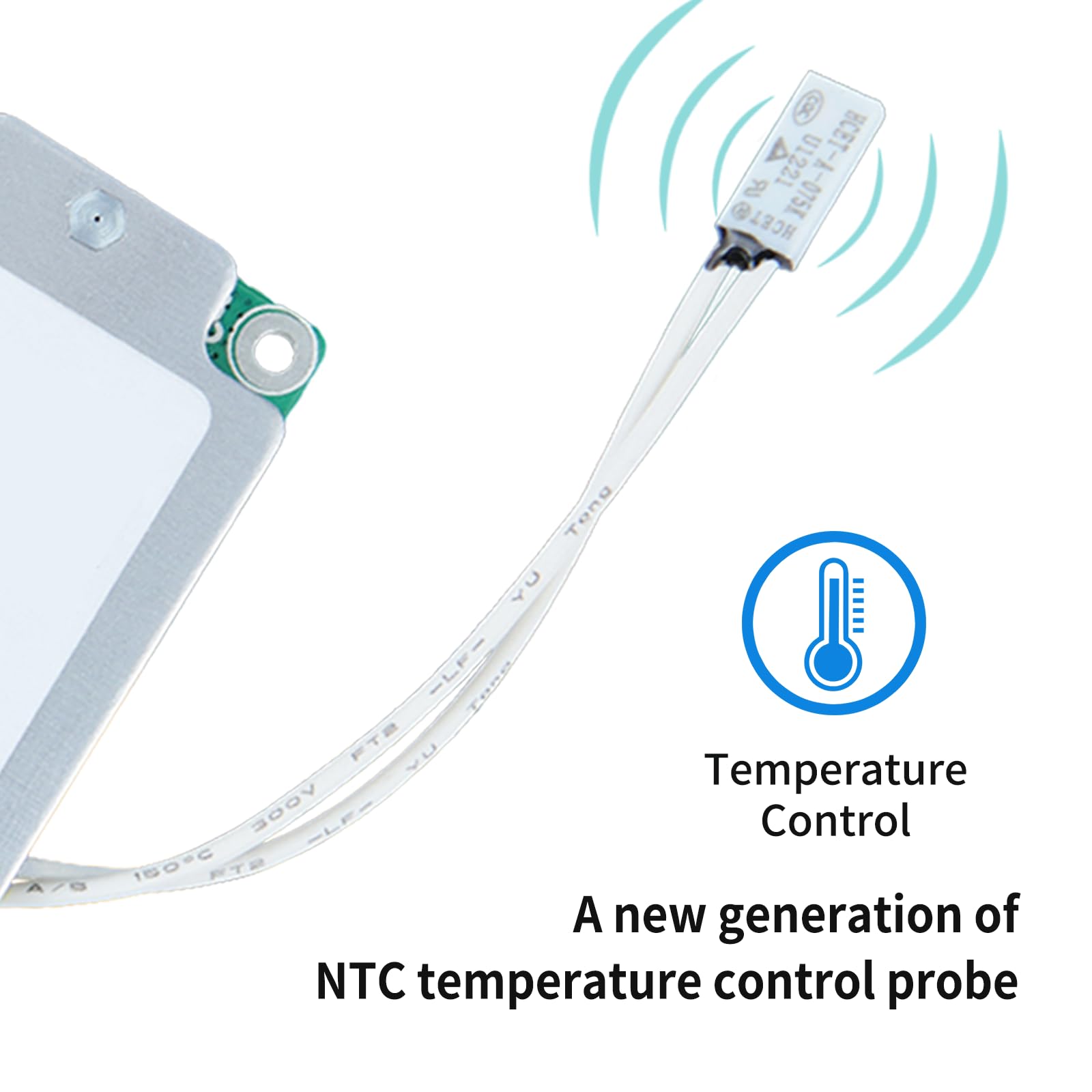

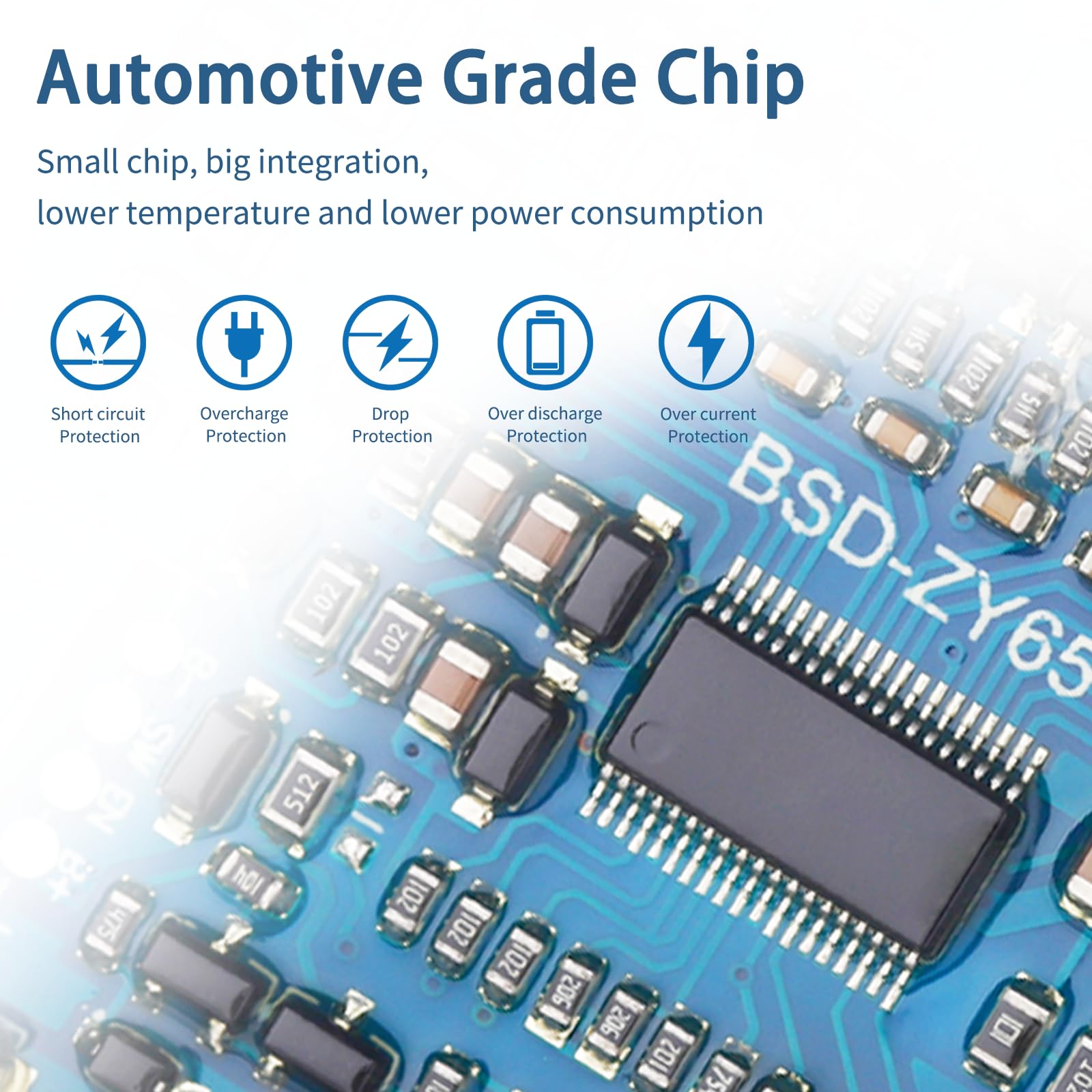


🔋 Power up smartly with the ultimate 8S LiFePO4 BMS — because your battery deserves elite protection!
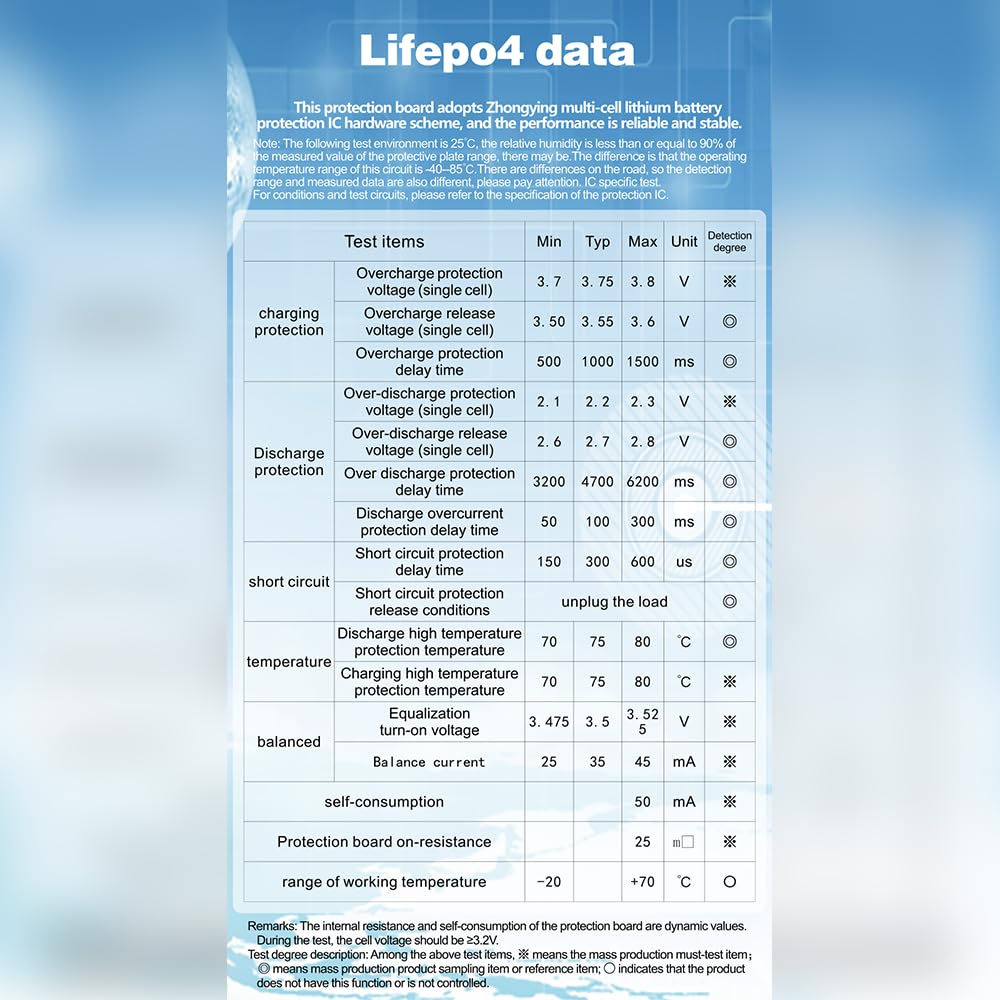
The Bisida 8S 25.6V 100A LiFePO4 Battery Management System is a compact, industrial-grade PCB designed for professional battery pack assembly. It features ten critical protections including overcharge, overdischarge, overcurrent, short-circuit, and temperature safeguards, operating reliably between -20°C and 70°C. With a robust 100A current capacity and precise passive cell balancing, it ensures optimal battery health and longevity. Ideal for users with technical expertise assembling 8-cell LiFePO4 packs, this BMS delivers high SOC accuracy through an integrated IC solution.



| ASIN | B0CC92RH4Q |
| Batteries | Lithium Ion batteries required. |
| Batteries required | No |
| Customer Reviews | 4.6 4.6 out of 5 stars (5) |
| Date First Available | 9 Oct. 2023 |
| Item model number | Bisida BMS 8S 25.6V 100A |
| Package Dimensions | 15 x 8.6 x 5.1 cm; 144 g |
A**O
8S
R**R
Though I ultimately went with a higher power BMS for my project, this was my first try at an 8 cell battery system. It provides basic functionality; Temperature monitoring and safeguard, and over/under charge cut-off. Beyond that it's bare bones. Still for 20% of the cost of a JK, it might be worth it if you can and want to use the carbon analog computer to monitor balance.
M**W
24V BMS makes for a great upgrade and combination of two 12V batteries. Advantages include better cell balancing (as two 12V batteries, while each 12V battery would keep its cells relatively balanced, could fall out of balance with the other batter) without an external balancer. If you are in the market to build your own battery, this is one of the central ingredients in that process. Selecting a good quality BMS that meets your configuration and overall use needs is essential. Its small size helps ensure a better fit, as space will typically be cramped in most battery enclosures. Installation isn’t impossible, and is rather straightforward. You just have to be adept at maneuvering small wires in tight spaces. But conceptually not challenging. Charging speed of the batteries will be limited by primarily the input source: how much power are you generating? And secondarily by the BMS if you happen to have a massive input. In this modern world of green energy solutions, batteries play a central role, and the BMS is a no-brainer product to automate many essential battery operations. No modern high-capacity, multi-cell battery should be run without one.
Trustpilot
1 month ago
3 weeks ago