Desertcart purchases this item on your behalf and handles shipping, customs, and support to Kenya.
🎶 Elevate your tone, silence the noise — play like the legends do!
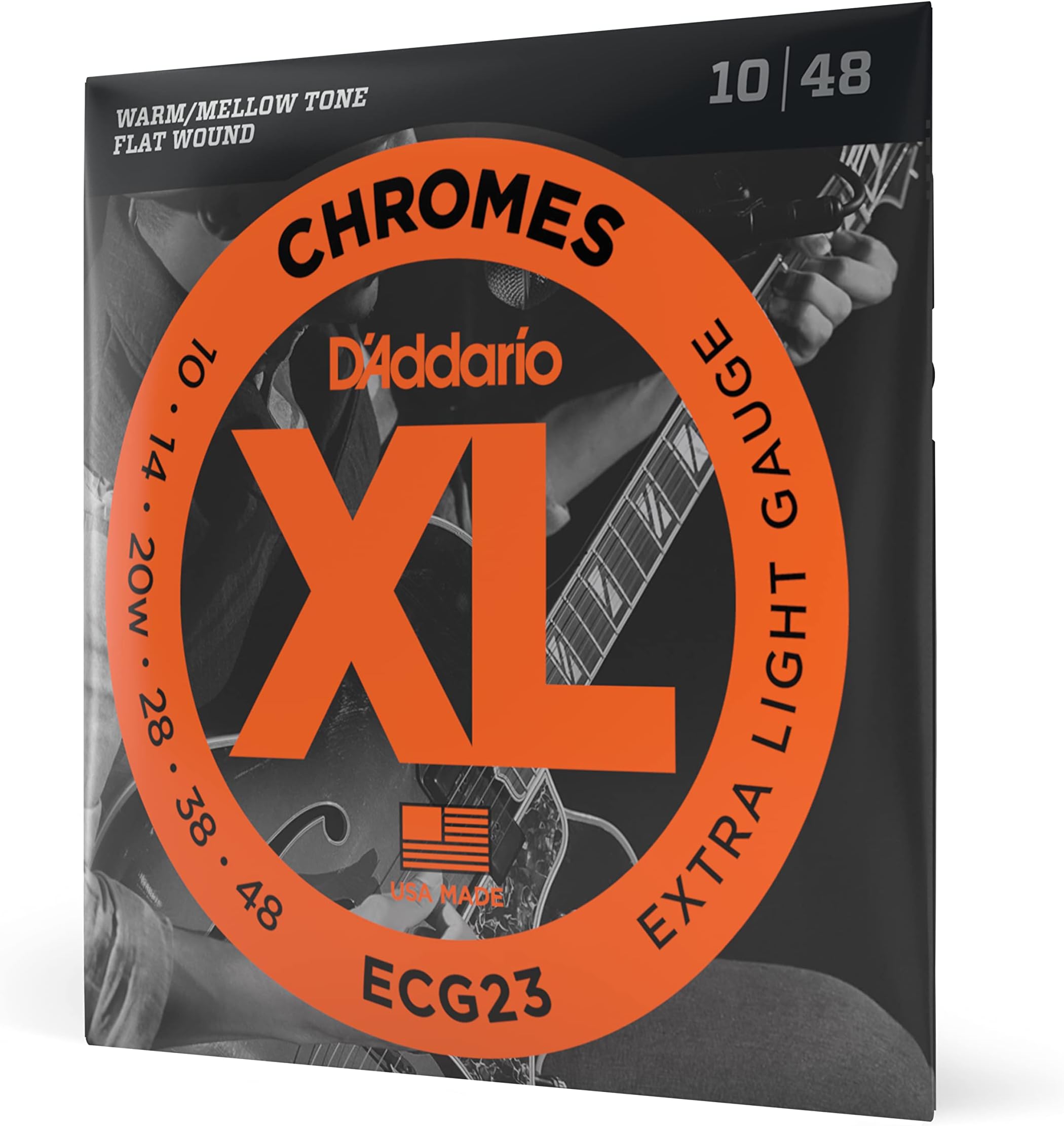
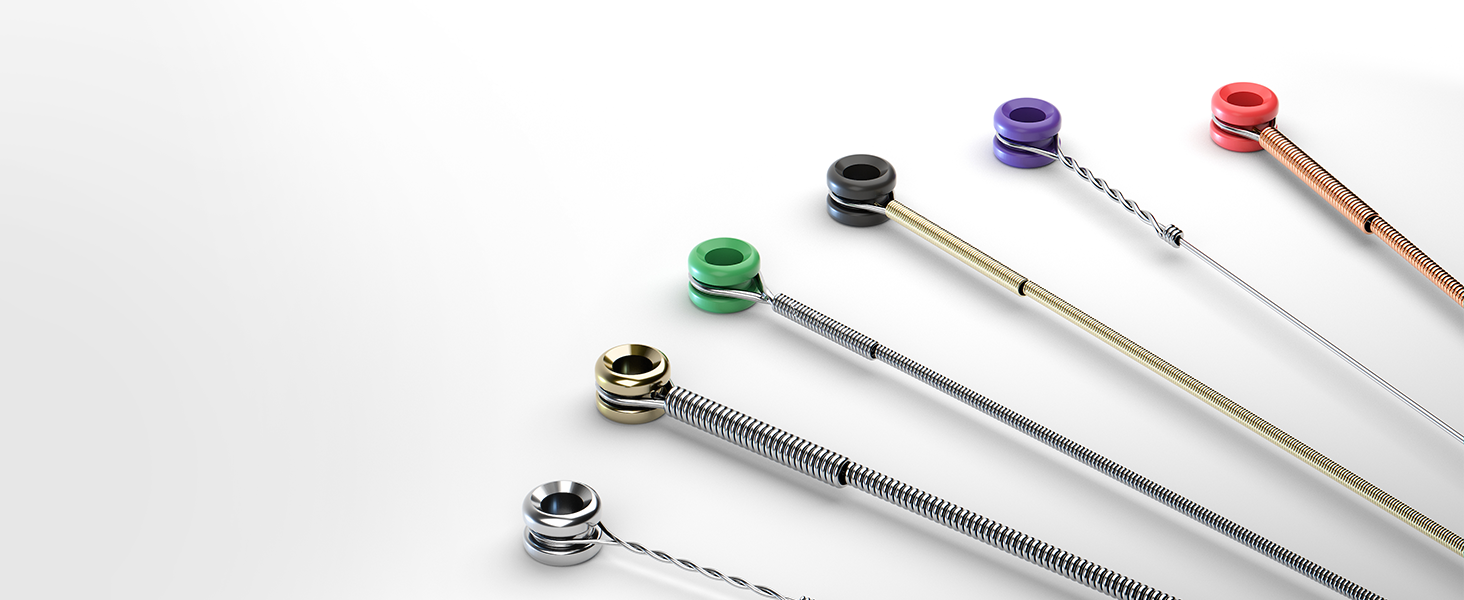
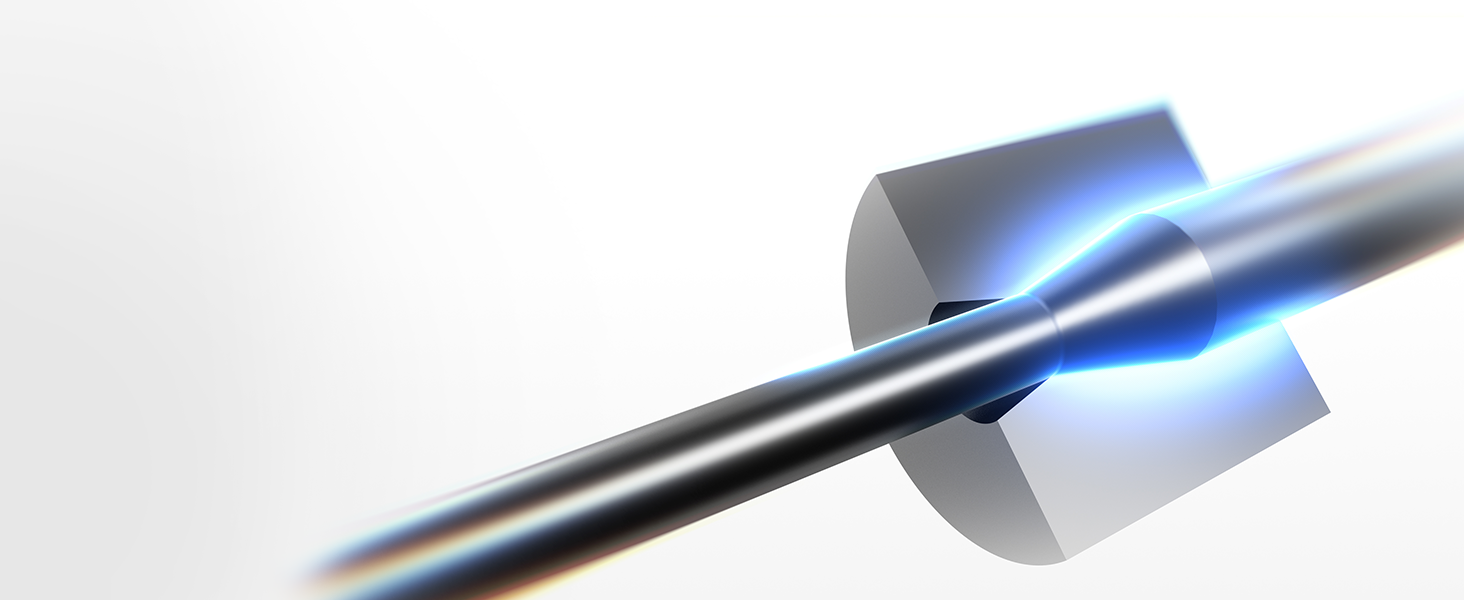
D'Addario XL Chromes Flatwound Electric Guitar Strings ECG23 (10-48) are precision-crafted in the USA with a stainless steel flattened ribbon wrap over a high-carbon steel Hex-Core. Designed for a warm, mellow tone and ultra-smooth feel, these strings eliminate finger noise and provide exceptional durability and intonation. Ideal for jazz, blues, and vintage-inspired styles, they offer a noiseless playing experience favored by professionals seeking rich, controlled sound and reliable performance.


| ASIN | B0006OHVK2 |
| Best Sellers Rank | #542 in Musical Instruments ( See Top 100 in Musical Instruments ) #8 in Electric Guitar Strings |
| Body Material Type | Metal |
| Brand | D'Addario |
| Brand Name | D'Addario |
| Coating Description | Coated |
| Color | ECG23 - Extra Light |
| Customer Reviews | 4.8 out of 5 stars 4,548 Reviews |
| Finish Type | Polished |
| Global Trade Identification Number | 00019954920036 |
| Instrument | Electric Guitar |
| Item Type Name | Acoustic Upright Bass |
| Item Weight | 2.86 g |
| Manufacturer | D'Addario &Co. Inc |
| Manufacturer Part Number | ECG23 |
| Material Type | Stainless Steel |
| Model Name | ECG23 |
| Model Number | ECG23 |
| Number of Items | 1 |
| Number of Packs | 1 |
| Recommended Uses For Product | Electric Guitar |
| Set Name | ECG23 |
| Sound Profile | Warm, Mellow |
| String Gauge | Extra Light |
| String Material Type | Chrome |
| UPC | 019954920036 |
| Unit Count | 1 Count |
| Warranty Description | D'addario strives to be a customer-centric company dedicated to producing the highest quality musical instrument accessories in the world. If you have purchased a d'addario product that you believe to be defective, we invite you to submit a contact us form, selecting defect/warranty as inquiry type. We are committed to providing a fair resolution and hope that you will want to continue supporting … |
K**M
Great for mellow tones in general - Superb for Jazzmasters
I used these on both my Jaguar (Am Pro II) and Jazzmaster (Am Original 60s). How they're different form round wound strings: Flat wound = no string sliding noise. This can be considered a pro or a con depending on your preferences. It's also useful considering the next point... Wound G = nigh impossible full step bends. The ECG24s are already thicker than typical round wound strings, and the G string in this set requires a lot of effort to get a full step bend. It's possible, but requires a more effort than I'm used to - or even capable of - doing casually. But with the noiseless sliding, it's easy enough to slide up that full step when you can to compensate. Thicker = Setup adjustments. I used these on guitars that were set up with 9s prior. It took a little bit of tweaking to get the action back to where I liked it. Not a ton, but a little. There were zero changes needed at the nut, these should slot right in to any guitar set up for standard gauge strings. On the Jaguar, they replaced what I set up most of my guitars with; a set of D'Addario EXL120s. They, unsurprisingly, darken the tone compared to a set of light gauge strings and create a very mid-forward timbre. I like the way they feel, and it's a fun change of pace, but I'll probably buy the ECG23PLs next to see if I can get back some of that brightness. If those don't do it, I might go back to EXL120s. That's just how I like my Jaguar to sound. Your tastes and preferences may be different. On the Jazzmaster, Wow. I had always heard that Jazzmasters benefit greatly from flat wounds, but I never wanted to believe it. Now I'm a believer. Anyone who's picked up a JM can attest to the amount of treble they typically put out. The ECG24s took that treble heavy EQ and effectively flattened it out. It now has an excellent and pleasant balance across the whole frequency range to my ear. The treble bite remains, but it's been tamed to a level that isn't as harsh on the ears. They also seem to have deadened the sympathetic vibrations that JM bridges are known to inherently have. They've been effectively eliminated from mine, and I'm still using the stock threaded saddles that the guitar came with. I will definitely continue using these for my JM. Overall, I say they're worth a try on any guitar you may own. But, they are a must-try for anyone that owns a Jazzmaster. Pro Tip: If you want to try flats and still want brighter tones, get an EQ pedal. Everyone should have a Boss GE-7 in their arsenal anyway.
M**R
Special sound & feel
Long time player, but first time to play Chromes or any flat wound. Put them on my go-to ES-339 semi-hollow and a rarely played Telecaster. Both had been strung with Pure Nickels and had been for some time, 12s & 11s respectively. But, playing them with Chromes has been a truely enjoyable experience, sonically and tactile-wise. The Chromes have a unique and special tone that I really like. They are warm with fewer overtones allowing the fundamental to stand out. For much of the jazz-blues music I play, they sound even better than the Pure Nickels. I was particulary surprised at difference they made on the Telecaster, resulting in a lot more play. On the downside, the Chromes relative lack of overtones & sustain will limit them for other types of music. The 12s I put on the 339 are stiff, and making even half-step and smaller bends on the treble strings took some effort. However, tuned down a 1/2 step, full step bends were doable but still not easy. Basically, if you need to bend, these are a poor option. Vibrato is also more difficult even tuned down. However, the 10s I put on the Tele allowed me to do full bends and vibrato with the about same effort as with Pure Nickel 11s. Incredibly smooth. The feel is quite different from round wound strings, but in a good way, and the finger noise is gone. I don't play slide, but I can see that the Chromes would work well with that. Although I like the Chromes sound, the Pure Nickels are just more versatile with easier bends, more sustain, and a brighter & better mid-range. On the 339, I'll eventually go back to Pure Nickels, but on the Tele I'll likely keep using Chromes.
T**O
bought these by accident - they are uncomfortable but I'm amazed by their sound
I'm sure why I bought these and had no idea what I was getting into. I like to play a jazzmaster heavily overdriven through a boss blues and then a fuzz pedal, preceded by a wah, through a fender Princeton. Sound is like heavy david gilmour. These strings are very different from anything I've used in the past, which have always been cheap ernie ball wound strings. Here are the cons (after a couple days of playing): They feel weird - very unnatural without the regular wound feel. My fingers do not slide as well on them - they feel sticky, kinda like a suction cup feel. Also, the G string (well I tune a step down, but you know what I mean). - is really weird. It is not your typical thiner string. It is a fat one, and it's really hard to bend it up a half step. I mean, it IS possible, but you have to bend it really far to bring the note up a whole step. Weird. The B & E are bendable, yet thicker than I'm used to. When I first installed these strings, I was like WTF, and actually was thinking to rip them off and replace them. But, I didn't have any other strings on hand, so I just played my guitar like usual, jamming out to some blues, classic rock, psychedelic backing tracks. Then I began to notice - the guitar's voice had been significantly altered. And here is the reason I'm not really sure what I'm gonna do, and I may even leave them on, or buy a second guitar, maybe a strat, which I can set up with regular strings --- the Jazzmaster, with these strings, changes sound so much, it's unbelievable. It adds balls, weight, grit....it almost makes it sound like what I'd imagine a reallly good Les Paul might sound like (that's a guess). For anything that involves non-soloing - playing chords, playing songs, there is a significant improvement in sound. The guitar now, through the setup I'm using, has without a doubt the best sound I've ever been able to produce in my life. I'm going to have a hard time taking these strings off this thing because of that. I was a little concerned my fingers might take too much of a beating trying to bend these fat ass strings, but idk - I think I'm gonna try to limit my playing to ~30 min / day while my fingers adapt and stick with these, and like I said, maybe get a second guitar that's set up with regular strings ( nickel wound 10 - 13 - 15 xxx ). Here's another thing - so an issue I have when soloing is I am going in the direction where I play so many notes I kinda sometimes feel like I'm just jabbering away and making sounds without making musical statements. What these thicker strings do for me, is they kinda make it harder to play quite as fast, but each note you do play will have more character, so it encourages me at least to slow down a little and really enjoy the articulation??? ( the character ) you can put into less notes. In other words - my playing actually sounds, to me, more professional, more like what I hear on great records....bottom line, these are friggin amazing, yet uncomfortable in ways, strings.
B**L
D'Addario XL Chromes are all I use
I have these on my headless 7 string guitar, my 6 string guitar, my 5 string bass, and my short-scale 4 string bass. The only guitar I currently own which DOESN'T have Chromes is my acoustic, although I did try them for a while. I found that the acoustic sounded odd, but the rest sound great. Obviously, 'tone' is subjective, but I find that these strings are mellow without sounding 'dead', and they sound that way for YEARS. I change strings when one breaks. I have no doubt that the bass guitars will last forever, and my electric guitar strings last for years between changes. Unlike every set of round-wound strings I've ever used, there's little or no difference in the sound between fresh strings and those that have been on there for a long time. They stay in tune, feel great, and although they cost a little more, the fact they last so long means they're less expensive overall.
D**O
Good sounding strings but not for all guitars
These strings have a very nice low end and are great for heavy, grungey riffs. However, I find them less than optimal for normal playing, as they are difficult to bend and the high end is not very pronounced, making solos sound dull, and making playing riffs on the first three strings sound muted. I also made the boneheaded mistake of putting them on a floyd rose bridge meant for much lighter strings, so the string action on my guitar was very high with these strings. I would definitely put them on a different guitar with a fixed bridge though, as I do really like the grungey tone of the lower two strings, and they are smoother than standard strings so slides are much easier. Perhaps a hybrid setup would be optimal on something like a Les Paul. On any other 24 fret guitar though, I would stick with Ernie Ball Super Slinkies.
-**-
I never want to go back to roundwounds ever.
At first, when I strung up my guitar, I worried. These strings are heavier, and have more tension. They lifted the tremolo/vibrato way too far forward. I thought I made a big mistake, but I was going to give it a try anyways, I'm so glad I did. Once I got it set up, it plays like a dream. Suddenly I find myself wanting to slide up and down the strings for fun. I'm convinced that Hendrix must've used flats because suddenly his style makes a bunch more sense. At first, they are so clean, that they might feel like they have an unnatural stickiness to them, but after a little playing that disappears. As these are a little heavier, you'd think that they'd be harder to bend, but that is the exact opposite of what happens. They bend very easily, and left hand vibrato feels so much more natural. Aside from the play-ability improvement, the TONES are GORGEOUS! Even before you plug in, you'll notice the vast improvement in tonal quality. Harmonics are clearer and easier to sound as well. If you've never tried these before, give it a shot. You won't regret it. You WILL need to set your guitar up all over again. Follow these instructions and you'll be fine. 1. Start by lowering the saddle height at the bridge. It will lessen the amount of lift on your bridge's tremolo. These strings sit higher in the saddle than round wounds. 2. chances are, that these are heavier than the strings you are replacing, therefore, you'll have more pressure on the neck, so you'll probably need to grab a 4.5 mm hex wrench tighten the truss rod 1/4 to 1/2 turn clockwise. (I'm not responsible for damage to your truss rod. Proceed with caution especially if you feel like you have to force it.) 3. You'll probably need to tighten the springs on your bridge's tremolo (unless you're using a hard tail). Once you get your normal 15 degree lift on the bridge, check the saddle height again and season to taste.
M**S
Second best addition to my 7-string after Beard Comber pickups.
Picked up a pack of the ECG24-7s for my Ibanez RG7421, since I have flat-wound on my Schecter Hellraiser (ECG24 6-string set), and love the feel of them. Let me say, they do NOT disappoint. Guitar is in Standard (BEADGBE) and these strings sound phenomenal. Have also tried guitar in Bb, A, and G. (G was a little floppy, but still usable). Amazing at all of them. I was a little worried, playing predominantly progressive metal/djent, that I would gain a lot on my prog tones (Opeth-y stuff) and lose on my djent tones (Periphery, Meshuggah-y riffs and mutes). Boy was I wrong. At least about the latter. The more proggy tones did open up and become much more warm, however these flat-wounds can "djent" better than any "roundwound" I've ever tried. You can't get the pick to "scrape" the string as much with the flats, but you almost don't need to the tone is already so thick. I plan on buying a set of ECG26 (6 string) to throw on my C-tuned Les Paul, next. I have already gotten a few friends (metal and jazz players) to switch, and have gotten the local guitar shop to carry flatwounds as well as round (it's a VERY small store). Caveat: While these might be good for a nice full prog sound, or even a thick mechanical "chug" in djent, I have noticed that a lot of "thrash-ier" 80s metal comes out .. dull. Master of Puppets era Metallica, and Iron Maiden are two fantastic examples of this. They just sound dull, and are missing a lot of the characteristic harshness of the string noise, and it's VERY notable. Tried on the Schecter and the Ibanez (both of which sounded great for 80s metal/thrash on roundwounds) with the same results, active and passive pickups.
M**N
Squeak-free
I was listening to a professionally-recorded guitar piece that sounded great but for all of the shrieks in between each chord. I realize that it's something I've gotten used to over the years, but it struck me that there was no objective value in that, if it could in any way be avoided. I knew then what my wife was complaining about in my earlier years. I've gotten better at avoiding the squeak, but flat-wound strings would improve it, still. This was my first set of flats. Apart from the shrieks, I was also hoping it would also cut the slight grating that sometimes happened when my brass finger picks struck the strings at anything less than perpendicular. It worked for both. I was concerned that the flat-wound strings would be too "mellow." I didn't know what "mellow" sounded like, but I figured I would soon find out. Now that I'm playing them, I still don't know what it means. The sound is sharper, as expected from any new set, but the only difference in the lows is that the low strings hit the same pitches with less tension in the strings, making them sound a little more resonant and twangy, like a really good acoustic guitar. Over-all, though, these strings don't seem to have any great impact on tone. When I get into the groove I forget to notice that they're not the same as the round-wound strings. They just play more cleanly. The third highest string is wound, which is unusual, but they all feel and look just like like unwound strings, anyway.
P**E
Great flat-wound strings
A must have! The best flat wound strings on the market, you might want to get 2-3 packs at once!
H**W
XL Chromes 12-52 on Acoustic
Tried these as an experiment on a quality acoustic after reading some other reviews. An interesting result as they work fine, with a tone somewhere between phosphor bronze and 80/20. As another review stated, the treble is initially very bright/piercing but settles down after a couple of days and then remains consistent and well balanced. Overall a good set for acoustic guitar and completely eliminates string finger noise. However, these won't replace my usual go to strings. I suspect these will be love or hate strings on an acoustic for most people.
S**.
Great for Jazz or Carnatic music
Smooth feel (smoother than Ernie Ball flats)
C**E
Parfaites
Pas de surprise. Comme je n’utilise que ce type et marque de corde pour ma strat, rien à signaler.
A**R
Love it.
I’ve been a huge fan of elixir brand stings ever since I got my acoustic Taylor’s and then switched to elixirs on all my electrics. It’s been 3 weeks of using these flat wound strings and love it. The feel is easy, It’s become comfortable playing extended chords. And fingers crossed it lasts as long as my elixir’s and since their flat wound start sounding better & better as the months' pass.
Trustpilot
2 weeks ago
1 month ago